
Hotels have become prime targets for cybercriminals. From payment card information and loyalty program accounts to employee credentials and guest personal data, hospitality organizations manage vast amounts of sensitive information every day.
While many hotels focus on network security and payment compliance, modern threats extend far beyond traditional IT systems. Mobile devices, wireless communications, and unauthorized transmission devices have created new vulnerabilities that many hospitality organizations overlook.
As guest expectations for connectivity continue to rise, hotel cybersecurity requires a comprehensive approach that protects not only networks and databases but also the mobile and wireless environments operating throughout the property.
Why Hotel Cybersecurity Matters More Than Ever
Hotels are increasingly targeted because they process large volumes of financial transactions, collect personal information, and serve travelers who frequently connect multiple devices to hotel networks. Additionally, the average hotel relies on dozens of interconnected systems to deliver a seamless guest experience, including:
- Property management systems (PMS)
- Payment processing systems
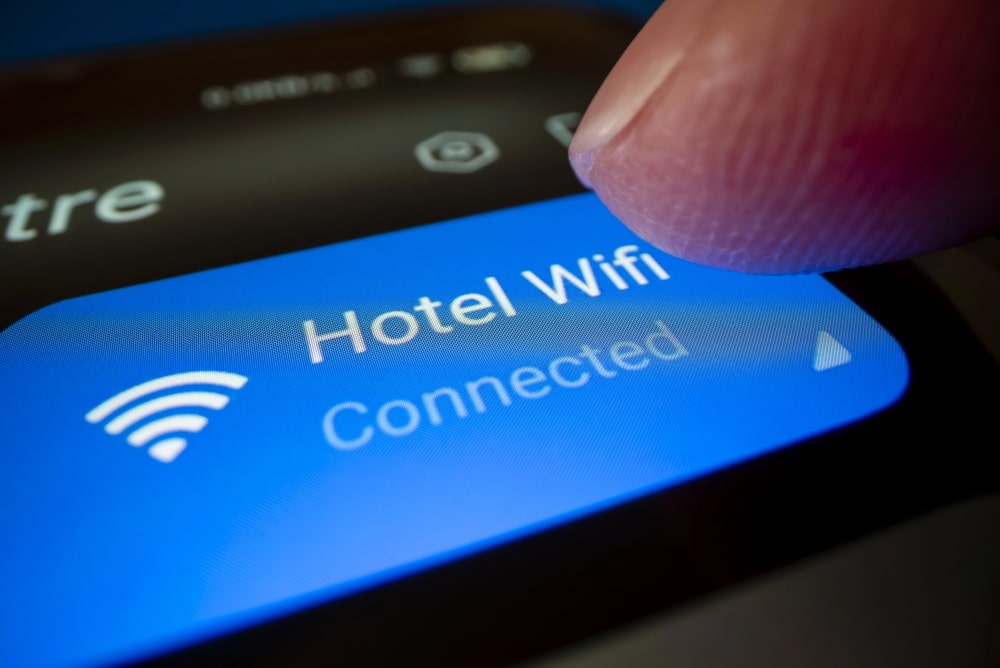
- Guest Wi-Fi networks
- Mobile check-in platforms
- Smart room technologies
- Employee mobile devices
- Security and surveillance systems
Each connected system creates a potential entry point for cybercriminals. If a single device, application, or network connection is compromised, attackers may be able to move laterally through connected systems to access sensitive data or disrupt operations. As hotels continue to adopt new technologies to improve the guest experience, maintaining visibility and security across every connected system becomes increasingly important.
A successful attack can result in:
- Data breaches
- Financial losses
- Regulatory penalties
- Operational disruptions
- Reputational damage
- Loss of guest trust
For luxury properties, resorts, conference hotels, and executive travel accommodations, the stakes are even higher. Business travelers often conduct sensitive communications from hotel rooms, making hotels attractive environments for espionage, surveillance, and unauthorized data collection.

Common Cybersecurity Threats Facing Hotels
Phishing Attacks
Phishing remains one of the most common cybersecurity threats in the hospitality industry. These attacks often rely on deceptive emails, text messages, or websites designed to trick employees into revealing passwords, payment information, or other sensitive data. Because hotel staff frequently interact with guests, vendors, reservation systems, and payment platforms, cybercriminals can use convincing impersonation tactics that make phishing attempts difficult to identify without proper training.
Cybercriminals often impersonate:
- Hotel management
- Reservation systems
- Third-party vendors
- Payment providers
- Loyalty programs
These attacks can trick employees into revealing credentials or installing malware that compromises hotel systems.
Ransomware
Ransomware attacks can bring hotel operations to a standstill by encrypting critical files and systems until a ransom is paid. These attacks often begin with a phishing email, compromised login credentials, or an unpatched software vulnerability that allows cybercriminals to gain access to the hotel’s network.
When critical systems become inaccessible, hotels may lose access to:
- Reservation platforms
- Payment processing
- Guest records
- Operational systems
The resulting downtime can significantly impact revenue and guest satisfaction. Guests may be unable to check in or out, employees may lose access to booking information, and management may struggle to coordinate daily operations. Beyond the immediate disruption, ransomware incidents can also result in costly recovery efforts, regulatory compliance issues, reputational damage, and the potential loss of guest trust long after systems have been restored.
Payment Card Theft
Hotels process thousands of transactions every year, making payment data a valuable target for cybercriminals. From booking reservations and restaurant charges to spa services and retail purchases, hospitality organizations handle a significant volume of sensitive financial information on a daily basis. This creates numerous opportunities for attackers to target payment systems and customer data.
Cybercriminals frequently seek to steal:
- Credit card information
- Billing addresses
- Customer profiles
- Loyalty account credentials
Stolen payment and customer data can be used for fraudulent purchases, identity theft, account takeovers, and other forms of financial crime. In many cases, attackers may remain undetected for extended periods while collecting valuable information from compromised systems. Strong security controls, including payment card industry (PCI) compliance, encryption, access controls, employee training, and continuous monitoring, are essential for protecting sensitive guest information and reducing the risk of costly data breaches.


Third-Party Vendor Vulnerabilities
Many hotels rely on external vendors for software, payment processing, reservation management, marketing platforms, and other technology services. While these partnerships help improve efficiency and enhance the guest experience, they can also introduce additional cybersecurity risks if vendors fail to maintain proper security standards.
Because many third-party providers have access to hotel systems or sensitive data, a security weakness within a vendor’s environment can potentially expose the hotel to cyber threats. For example, compromised reservation systems, payment processors, or cloud-based applications can provide attackers with a pathway to guest information, financial records, or operational systems. Even if a hotel’s internal cybersecurity measures are strong, vulnerabilities within a trusted vendor’s network can still create significant risk.
To reduce exposure, hotels should carefully evaluate the security practices of all third-party providers, conduct regular vendor risk assessments, and ensure contracts include clear cybersecurity requirements. Maintaining visibility into who has access to critical systems and limiting permissions to only what is necessary can also help minimize the impact of a potential vendor-related security incident.
The Overlooked Threat: Mobile and Wireless Security
Most hotel cybersecurity discussions focus on networks and software. However, one of the fastest-growing attack surfaces is mobile and wireless technology. Mobile devices have become increasingly attractive targets because they are used for communication, banking, authentication, and business operations.
Modern smartphones are powerful computing devices capable of:
- Recording audio and video
- Capturing sensitive information
- Transmitting data instantly
- Connecting to multiple wireless networks
- Accessing corporate systems
Research continues to show that mobile users remain susceptible to phishing and other cyberattacks that can expose sensitive information. The smaller screen size, limited visibility of URLs, and tendency to quickly review emails, text messages, and app notifications can make it more difficult for users to identify suspicious activity, increasing the likelihood of successful attacks.
Unauthorized Mobile Device Usage
Employees, contractors, vendors, and visitors often carry personal devices throughout a property. While these devices are convenient for communication and productivity, they can also create security vulnerabilities if they are not properly managed.
Without proper controls, these devices can:
- Capture confidential information
- Record sensitive conversations
- Introduce malware
- Create unauthorized network connections
In some cases, personal smartphones, tablets, or hotspots may connect to hotel networks without the knowledge of IT or security teams, creating potential blind spots in cybersecurity efforts. For hotels that host corporate meetings, government personnel, executives, or high-profile guests, these risks can be particularly significant, as unauthorized devices may expose sensitive business discussions, proprietary information, or guest data. Implementing clear mobile device policies and monitoring wireless activity can help reduce these risks while maintaining a positive guest and employee experience.
Rogue Wireless Devices
Unauthorized wireless devices can create significant blind spots in a hotel’s security strategy. Unlike traditional IT assets that are managed and monitored by internal teams, rogue devices often operate independently and may go undetected for extended periods.
Examples include:
- Unauthorized hotspots
- Hidden RF transmitters
- Wireless surveillance devices
- Personal mobile hotspots
These devices can introduce security risks by creating unapproved network connections, transmitting sensitive information, or bypassing existing security controls. In busy hotel environments where guests, vendors, and employees frequently connect multiple devices, identifying unauthorized wireless activity can be particularly challenging because these devices operate outside traditional security systems, they can be difficult to detect without specialized monitoring solutions.
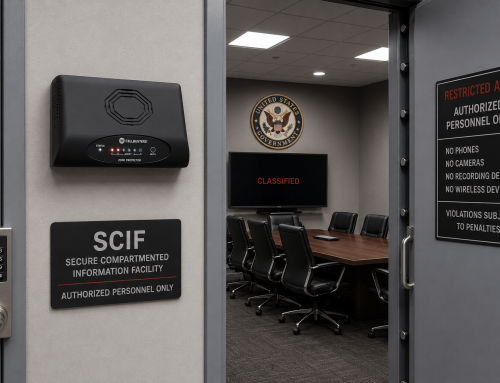
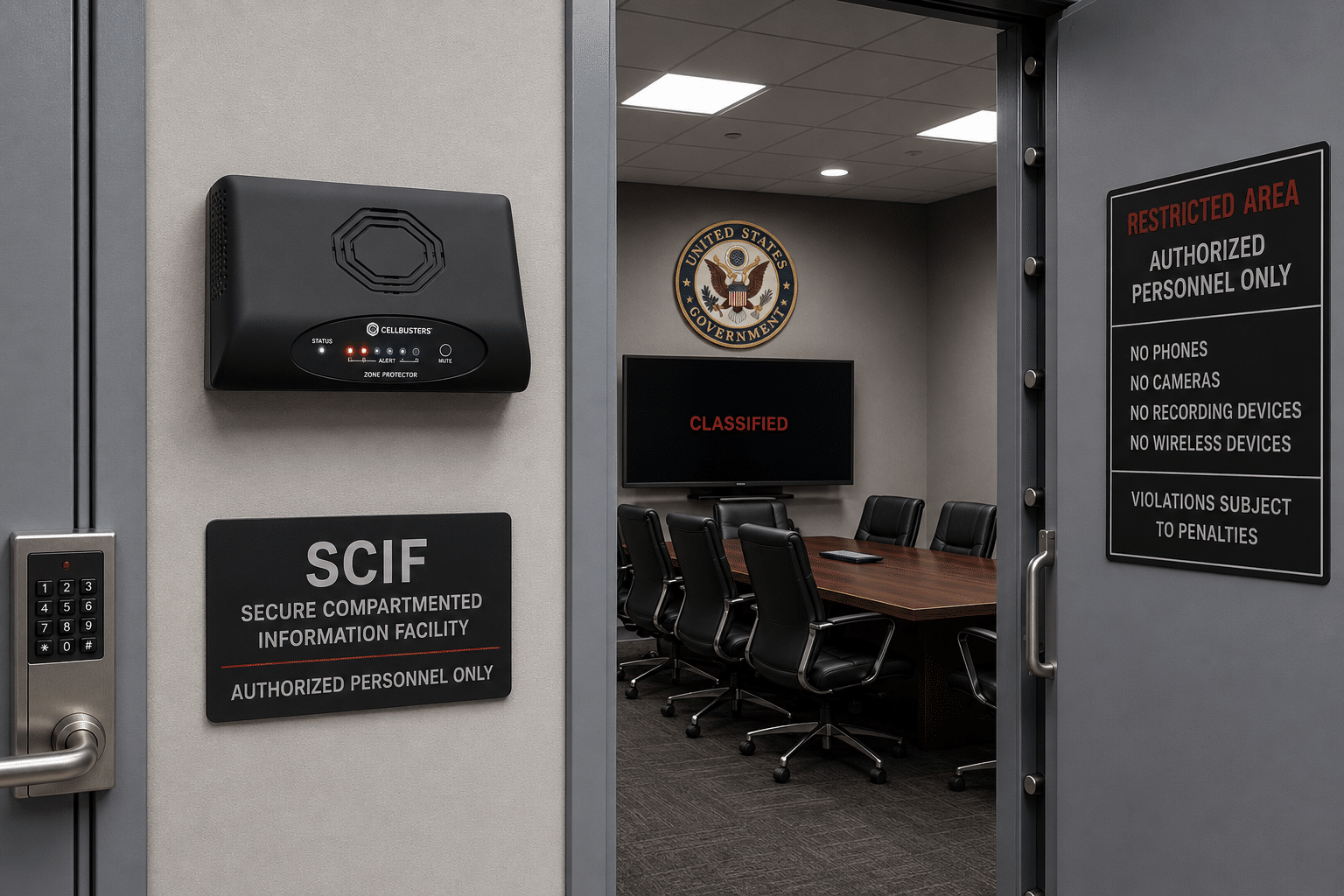
Cellbusters’ Zone Protector™ continuously scans for cellular and RF transmissions, helping security teams detect cell phones, hotspots, Wi-Fi, Bluetooth, and other transmission devices that may pose a risk in sensitive hotel environments such as executive meeting rooms, back-office areas, and conference facilities.
Executive Traveler Risks
Executives increasingly conduct sensitive business from hotel rooms, conference facilities, and shared workspaces. As remote work and business travel become more common, hotels have effectively become temporary offices where important decisions, negotiations, and communications take place.
Mobile devices used by executives often contain:
- Proprietary business information
- Financial data
- Strategic plans
- Confidential communications
The exposure of this information could have significant financial, operational, or reputational consequences for an organization. Additionally, executives may connect to multiple networks, participate in virtual meetings, and discuss sensitive topics while traveling, creating additional opportunities for information to be intercepted or compromised. Protecting these environments requires more than firewalls and antivirus software. Organizations must also consider mobile device security, wireless activity monitoring, and the potential risks posed by unauthorized devices operating within hotels, conference centers, and other shared spaces.
Best Practices for Hotel Cybersecurity
Train Employees Regularly
Employees are often the first line of defense against cyber threats. Because hotel staff regularly interact with guests, vendors, reservation systems, and payment platforms, they are frequently targeted by cybercriminals using phishing emails, fraudulent messages, and social engineering tactics.
Regular cybersecurity awareness training should cover:
- Phishing identification
- Password security
- Device management
- Social engineering tactics
- Incident reporting procedures
Training should be conducted on an ongoing basis rather than as a one-time exercise, as cyber threats continue to evolve. Employees who understand how to recognize suspicious activity are more likely to prevent security incidents before they occur. Even the most advanced security technologies can be undermined by human error, making cybersecurity education one of the most valuable investments a hotel can make.
Implement Multi-Factor Authentication
Multi-factor authentication (MFA) adds an additional layer of protection by requiring users to verify their identity through multiple methods, such as a password and a one-time code sent to a mobile device. This extra verification step makes it much more difficult for attackers to gain access to accounts, even if login credentials have been stolen through phishing or data breaches.
MFA significantly reduces the risk of compromised credentials leading to unauthorized access. Hotels should implement MFA wherever possible, particularly for systems containing sensitive guest information, payment data, employee records, and administrative controls. As credential theft continues to be a leading cause of cybersecurity incidents, MFA is one of the most effective ways to strengthen account security.
Segment Networks
Network segmentation helps isolate critical systems from public-facing networks, reducing the likelihood that a single compromised device or account could impact the entire organization.
Hotels should separate:
- Guest Wi-Fi
- Administrative systems
- Payment processing
- Security infrastructure
- Smart building technologies
For example, guests using public Wi-Fi should never have access to the same network that supports payment processing or hotel operations. By creating separate network environments, hotels can contain threats more effectively and prevent attackers from moving laterally between systems. This limits the potential impact of a successful attack and improves overall security resilience.

Monitor Wireless Activity
Wireless monitoring helps identify suspicious activity that traditional cybersecurity tools may miss. While firewalls and endpoint protection solutions focus on network traffic and connected devices, they may not detect unauthorized wireless activity occurring within a property.
Monitoring solutions can help security teams detect:
- Unauthorized cellular devices
- RF transmissions
- Rogue wireless activity
- Potential intrusion attempts
This additional visibility can be particularly valuable in hotels that host corporate meetings, government officials, executives, or high-profile events. By monitoring wireless activity throughout the property, security teams can identify unusual transmissions, unauthorized devices, and other potential threats before they lead to a security incident. As wireless technologies continue to evolve, monitoring these environments has become an increasingly important component of a comprehensive hotel cybersecurity strategy.
Why Mobile Threat Detection Belongs in Every Hotel Security Strategy
Traditional cybersecurity solutions focus on protecting networks and endpoints. However, they may not detect unauthorized cellular devices or wireless transmissions operating within a facility.
Cellbusters specializes in detecting, monitoring, and locating cellular and RF activity, helping organizations identify mobile devices and transmission sources that could pose security risks. The company’s solutions are used by government agencies, military organizations, corporate facilities, and other security-conscious environments worldwide.
For hotels, this capability can provide additional visibility into mobile and wireless activity occurring throughout the property.
Potential applications include:
- Protecting executive meeting spaces
- Securing conference facilities
- Monitoring restricted areas
- Identifying unauthorized transmission devices
- Supporting overall physical security initiatives
As mobile technology continues to evolve, visibility into wireless activity becomes an increasingly important component of a comprehensive cybersecurity strategy.
To learn more about solutions that help detect unauthorized cellular and RF activity, explore Cellbusters’ security technologies and discover how greater visibility can strengthen your overall security strategy.